

Solid wood doors are a timeless and elegant choice for residential and commercial spaces alike. As a supplier of high-quality solid wood doors, I often get asked about how these doors are affected by temperature changes. In this blog post, I'll delve into the science behind solid wood doors and their response to temperature variations, and how we, as a supplier, ensure our products stand the test of time.
The Nature of Solid Wood
Solid wood is a natural material, and like all natural substances, it has unique properties that make it both beautiful and susceptible to environmental changes. Wood is composed of cellulose fibers, hemicellulose, and lignin, which form a complex structure. These fibers are arranged in a way that allows wood to absorb and release moisture from the surrounding environment.
The moisture content in wood is a crucial factor when it comes to its stability. Wood has a natural tendency to reach an equilibrium with the relative humidity (RH) of its surroundings. When the RH is high, wood absorbs moisture, causing it to swell. Conversely, when the RH is low, wood releases moisture and shrinks. Temperature plays a significant role in this process because it affects the amount of moisture the air can hold. Warmer air can hold more moisture than cooler air.
How Temperature Changes Affect Solid Wood Doors
Expansion and Contraction
One of the most noticeable effects of temperature changes on solid wood doors is expansion and contraction. As the temperature rises, the wood fibers absorb more moisture from the air, causing the door to expand. This expansion can lead to a variety of issues, such as the door becoming difficult to open or close, or even getting stuck in the frame. On the other hand, when the temperature drops, the wood releases moisture and contracts. This can result in gaps around the door, allowing drafts to enter the room and reducing the door's energy efficiency.
Cracking and Splitting
Extreme temperature changes can also cause cracking and splitting in solid wood doors. When the wood expands and contracts rapidly, it puts stress on the fibers. If this stress exceeds the strength of the wood, it can lead to cracks or splits. This is particularly common in areas where there are large temperature fluctuations, such as in regions with harsh winters and hot summers.
Warping
Warping is another problem that can occur due to temperature changes. Warping is the distortion of the door's shape, which can be caused by uneven expansion or contraction. For example, if one side of the door is exposed to more heat or moisture than the other, it will expand or contract at a different rate, causing the door to warp. Warped doors not only look unsightly but can also affect the door's functionality and security.
Our Approach as a Solid Wood Door Supplier
At our company, we understand the challenges that temperature changes pose to solid wood doors. That's why we take several steps to ensure our doors are as resistant as possible to these effects.
Wood Selection
The first step in creating a high-quality solid wood door is selecting the right type of wood. Different woods have different levels of stability and resistance to moisture. For example, hardwoods like oak and maple are generally more stable than softwoods like pine. We carefully choose the wood for our doors based on its properties and the intended use of the door.
Kiln Drying
After selecting the wood, we use a kiln drying process to reduce the moisture content to a stable level. Kiln drying involves placing the wood in a controlled environment where the temperature and humidity are carefully regulated. This process not only removes excess moisture but also helps to prevent the growth of mold and mildew. By ensuring the wood has a consistent moisture content, we can minimize the effects of expansion and contraction due to temperature changes.
Finishing
Applying a high-quality finish to the solid wood door is another important step in protecting it from temperature changes. A good finish acts as a barrier, preventing moisture from entering or leaving the wood. We use a variety of finishes, including stains, paints, and varnishes, depending on the customer's preferences and the door's intended use. The finish also enhances the door's appearance and durability.
Our Product Range
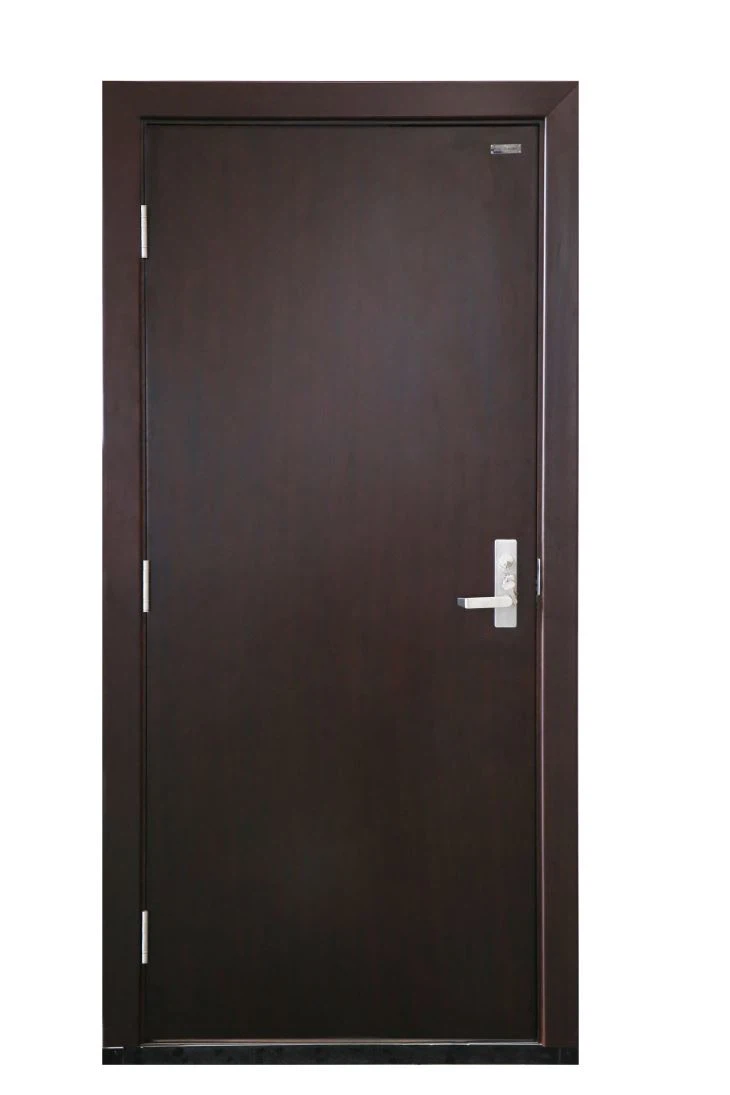
We offer a wide range of solid wood doors to meet the needs of different customers. Our China Wood Fire Rated Door for Hotel American Standard is designed to provide both safety and style in hotel settings. These doors are made from high-quality solid wood and are tested to meet American fire safety standards.
If you're interested in the price of our Wood Fire Rated Door for Hotel Price, you can visit our website for more information. We strive to offer competitive prices without compromising on quality.
For those who require the highest level of fire protection, our Intertek Hotel Wooden Fire Rated Door is a great choice. These doors are certified by Intertek, a leading global provider of quality and safety solutions.
Conclusion
In conclusion, solid wood doors are indeed affected by temperature changes. However, with proper wood selection, kiln drying, and finishing, we can minimize these effects and ensure our doors remain beautiful and functional for years to come. As a solid wood door supplier, we are committed to providing our customers with the highest quality products that meet their needs and exceed their expectations.
If you're interested in purchasing solid wood doors for your home or business, we invite you to contact us for a consultation. Our team of experts will be happy to answer any questions you may have and help you choose the right door for your project. Let's work together to create a space that is both stylish and comfortable.

References
- "Wood Handbook: Wood as an Engineering Material." United States Department of Agriculture, Forest Service, Forest Products Laboratory.
- "Understanding Wood: A Craftsman's Guide to Wood Technology." R. Bruce Hoadley.