

Can UL Wood Doors be used in museums?
As a supplier of UL Wood Doors, I often get asked whether our products are suitable for use in museums. Museums are unique environments that require careful consideration when it comes to the selection of building materials, especially doors. In this blog post, I will explore the feasibility of using UL Wood Doors in museums, taking into account various factors such as fire safety, aesthetics, and environmental impact.
Fire Safety
One of the primary concerns in museums is fire safety. Museums house valuable and irreplaceable artifacts, and a fire could cause catastrophic damage. UL (Underwriters Laboratories) is a well - known independent organization that tests and certifies products for safety, including fire resistance. UL Wood Doors are designed and tested to meet specific fire - rating standards.
For example, UL can classify doors based on their ability to withstand fire for a certain period, such as 20 minutes, 60 minutes, or even longer. In a museum setting, a high - fire - rated door can act as a barrier to prevent the spread of fire and smoke, giving museum staff more time to evacuate visitors and protect the artifacts. This is crucial as it can significantly reduce the potential loss in case of a fire incident.
The fire - resistant properties of UL Wood Doors are achieved through a combination of special materials and construction techniques. The core of the door may be made of fire - retardant materials, and the wood is often treated to slow down the combustion process. This means that even when exposed to high temperatures, the door will not quickly break down and allow the fire to spread.
Aesthetics
Museums are also places that value aesthetics. The doors in a museum should blend in with the overall design and atmosphere of the building. UL Wood Doors offer a wide range of aesthetic options. Wood has a natural warmth and beauty that can enhance the visual appeal of a museum.
We offer different types of wood, such as the Oak Wood Door. Oak is known for its rich grain patterns and durability. It can be finished in various ways, from a natural, light - colored stain that shows off the wood's natural beauty to a darker, more traditional finish.

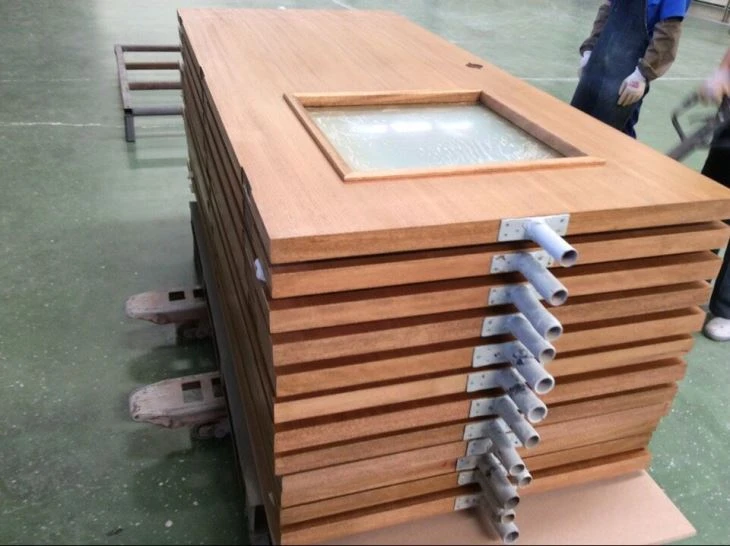
Our Solid Wood Door options are also very popular. Solid wood doors give a sense of solidity and quality, which is in line with the high - end nature of many museums. They can be customized in terms of size, shape, and detailing, allowing them to fit perfectly into the architectural style of the museum, whether it is a modern, minimalist design or a more traditional, ornate one.
Environmental Impact
In today's world, environmental considerations are becoming increasingly important. Many museums are committed to sustainable practices, and the choice of building materials reflects this. UL Wood Doors can be an environmentally friendly option.
Wood is a renewable resource. If the wood used in our doors is sourced from sustainably managed forests, it can have a lower carbon footprint compared to other materials. Additionally, the manufacturing process of UL Wood Doors can be optimized to reduce waste and energy consumption.
We also take steps to ensure that the treatments and finishes used on our doors are environmentally safe. This means that they do not release harmful chemicals into the museum environment, which is important for the health of both the visitors and the artifacts.
Durability and Maintenance
Museums have high traffic levels, both from visitors and staff. Doors need to be durable enough to withstand constant use. UL Wood Doors are built to last. The wood is carefully selected and treated to resist wear and tear, scratches, and dents.
In terms of maintenance, UL Wood Doors are relatively easy to maintain. Regular cleaning and occasional refinishing can keep them looking good for many years. This is important as museums do not want to spend a large amount of time and money on frequent door replacements or extensive maintenance.
Compatibility with Museum Systems
Museums often have complex security and access control systems. UL Wood Doors can be easily integrated with these systems. They can be fitted with various types of locks, hinges, and electronic access devices. This allows museums to maintain strict control over who enters different areas of the building, which is essential for protecting the artifacts.
Case Studies
There are already some museums that have successfully used UL Wood Doors. For example, a small local history museum decided to upgrade its doors to UL - rated wood doors. After the installation, they found that not only did the doors provide an extra layer of fire safety, but they also enhanced the overall look of the museum. The warm wood finish added a touch of authenticity to the historical exhibits.
Another large art museum chose our Ul/intertek Fire Wood Door Manufacturer Made In China for its new wing. The doors were customized to match the modern design of the building. The high - fire - rating of the doors gave the museum management peace of mind, knowing that the valuable artworks were better protected in case of a fire.
Conclusion
In conclusion, UL Wood Doors can be an excellent choice for museums. They offer a combination of fire safety, aesthetics, environmental friendliness, durability, and compatibility with museum systems. Whether it is a small community museum or a large, world - famous institution, our UL Wood Doors can meet the specific needs of these unique environments.
If you are a museum director, architect, or anyone involved in the planning or renovation of a museum and are interested in our UL Wood Doors, we invite you to contact us for a detailed discussion. We can provide more information about our products, offer samples, and work with you to find the best door solutions for your museum.
References
- "Fire Safety in Museums: Best Practices and Standards", National Fire Protection Association
- "Sustainable Building Materials for Cultural Institutions", Green Building Council
- "Wood in Architecture: A Guide to Design and Construction", Architectural Woodwork Institute