

In the realm of construction, the choice between a steel frame and a masonry frame is a critical decision that can significantly impact the outcome of a project. As a steel frame supplier, I've witnessed firsthand the diverse requirements and preferences of builders, architects, and developers. This blog post aims to provide an in - depth comparison of steel frames and masonry frames, highlighting their respective advantages, disadvantages, and suitability for different construction scenarios.
Structural Integrity and Strength
One of the primary considerations when comparing steel frames and masonry frames is their structural integrity and strength. Steel is renowned for its high strength - to - weight ratio. It can withstand significant loads, including heavy snow, high winds, and seismic activity. This makes steel frames an excellent choice for large - scale commercial buildings, high - rise structures, and industrial facilities. For instance, in earthquake - prone regions, steel frames can flex and absorb the energy of seismic waves, reducing the risk of structural collapse.
On the other hand, masonry frames, which are typically made of bricks or concrete blocks, offer good compressive strength. They are well - suited for low - rise buildings and structures where the vertical load is the primary concern. However, masonry is relatively weak in tension. In the event of lateral forces such as strong winds or earthquakes, masonry structures may require additional reinforcement to prevent cracking and failure.
Design Flexibility
Steel frames provide unparalleled design flexibility. Steel can be easily fabricated into various shapes and sizes, allowing architects to realize their most creative and complex designs. It can be used to create open - floor plans, large spans, and unique architectural features. For example, steel frames can support cantilevered structures, which are often used in modern building designs to create dramatic overhangs.
Masonry frames, while offering a certain degree of design flexibility, are more limited compared to steel. The size and shape of bricks or blocks restrict the design possibilities to some extent. However, masonry can still be used to create aesthetically pleasing facades with different patterns and textures. The traditional look of brickwork can add a sense of warmth and character to a building, which is often favored in residential and historical restoration projects.
Construction Time
Time is often a crucial factor in construction projects. Steel frames have a significant advantage in terms of construction speed. Steel components are pre - fabricated in a factory, which means they can be quickly transported to the construction site and assembled. This reduces the overall construction time, allowing projects to be completed faster and potentially saving on labor costs. Additionally, the lightweight nature of steel frames makes them easier to handle and install, further speeding up the construction process.
Masonry construction, on the other hand, is a more labor - intensive and time - consuming process. Each brick or block needs to be laid individually, which requires skilled masons and a significant amount of time. Mortar also needs time to cure, which can further delay the construction schedule. In projects where time is of the essence, steel frames are often the preferred choice.

Fire Resistance
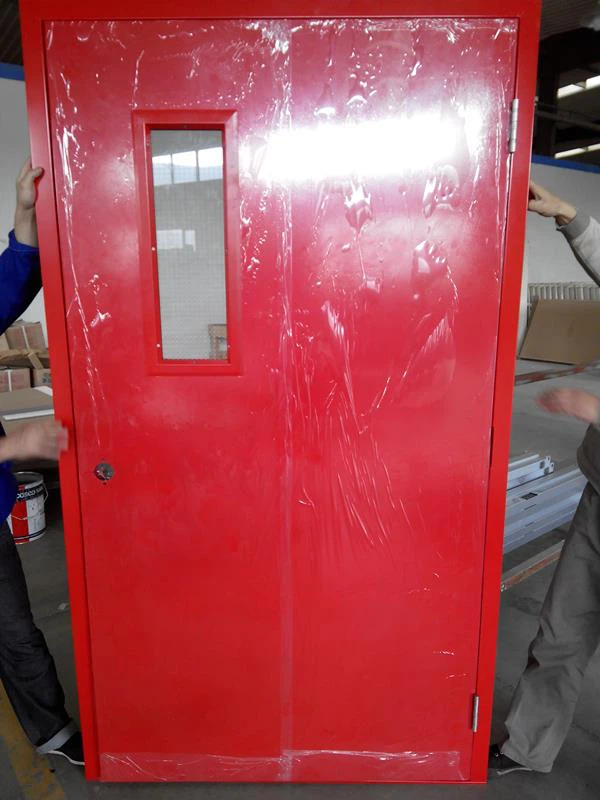
Fire safety is a major concern in building construction. Steel frames, in their natural state, are not fire - resistant. When exposed to high temperatures, steel can lose its strength and structural integrity. However, steel frames can be protected with fire - resistant coatings or insulation materials to meet fire safety requirements. These protective measures can significantly enhance the fire resistance of steel structures.
Masonry frames, made of non - combustible materials such as bricks and concrete blocks, offer inherent fire resistance. They can act as a barrier to prevent the spread of fire and smoke, providing valuable time for evacuation in case of a fire. For buildings where fire safety is a top priority, such as hospitals, schools, and commercial complexes, masonry frames may be a more suitable option. However, it's important to note that the fire resistance of masonry can be affected by factors such as the quality of the materials and the construction techniques used.
Cost
Cost is always a significant consideration in construction projects. The cost of a steel frame depends on several factors, including the price of steel, fabrication costs, and transportation expenses. While steel prices can be volatile, the overall cost of a steel frame is often competitive, especially for large - scale projects. The reduced construction time associated with steel frames can also result in cost savings in terms of labor and financing.
Masonry frames can vary widely in cost depending on the type of masonry materials used. High - quality bricks or natural stone can be expensive, while more common concrete blocks are relatively affordable. In addition to the material costs, the labor costs for masonry construction can be substantial due to the skilled labor required. For smaller projects or projects with a limited budget, a careful cost - benefit analysis is necessary to determine whether a steel frame or a masonry frame is the more cost - effective option.
Durability and Maintenance
Steel frames are highly durable and can last for a long time with proper maintenance. They are resistant to pests such as termites and are not susceptible to rot or decay. However, steel is prone to corrosion, especially in humid or coastal environments. To prevent corrosion, steel frames need to be coated with protective paints or galvanized during the manufacturing process. Regular inspections and maintenance are also required to ensure the long - term integrity of the steel structure.
Masonry frames are also durable and can withstand the test of time. Bricks and concrete blocks are resistant to weathering and can maintain their structural integrity for many years. However, masonry structures may require periodic maintenance, such as repointing the mortar joints to prevent water penetration and cracking. In areas with freeze - thaw cycles, special care needs to be taken to prevent damage to the masonry.
Environmental Impact
In today's environmentally conscious world, the environmental impact of construction materials is an important consideration. Steel is one of the most recycled materials in the world. A significant portion of new steel is made from recycled steel, which reduces the demand for virgin materials and energy consumption. Additionally, at the end of a building's life, steel frames can be easily recycled, further minimizing their environmental footprint.
Masonry materials, such as bricks and concrete blocks, are also relatively sustainable. They are made from natural materials and have a long lifespan. However, the production of masonry materials can be energy - intensive, especially in the case of fired bricks. The transportation of heavy masonry materials also contributes to carbon emissions.
Specific Product Links
If you are considering a masonry frame for your project, we offer a range of high - quality products. Check out our Fire Door Frame, Knock Down Frame, and Welded Frame options. These products are designed to meet the highest standards of quality and performance.
Conclusion
In conclusion, both steel frames and masonry frames have their own unique advantages and disadvantages. The choice between the two depends on a variety of factors, including the project requirements, budget, design preferences, and environmental considerations. As a steel frame supplier, I believe that steel frames offer a great combination of strength, design flexibility, and construction speed. However, masonry frames also have their place in construction, especially for projects where fire resistance, traditional aesthetics, or a specific budget is a priority.
If you are in the process of planning a construction project and need more information about steel frames or have any questions regarding the comparison between steel and masonry frames, I encourage you to reach out. We are here to provide you with expert advice and high - quality steel frame solutions tailored to your specific needs. Let's start a conversation about how we can work together to make your construction project a success.
References
- "Building Construction Handbook" by Edward Allen and Joseph Iano
- "Structural Steel Design" by William T. Segui
- "Masonry Design and Detailing" by the Masonry Society