

As a seasoned supplier of metal frames, I've witnessed firsthand the intricate relationship between the size of a metal frame and its price. This relationship is not always straightforward, as it's influenced by a multitude of factors that extend beyond mere dimensions. In this blog, I'll delve into the science behind how the price of a metal frame varies with size, offering insights that can help you make informed decisions when purchasing.
The Basics of Metal Frame Pricing
Before we explore the impact of size, it's essential to understand the fundamental elements that contribute to the price of a metal frame. These include the type of metal used, the manufacturing process, the complexity of the design, and the quantity ordered. Each of these factors plays a role in determining the overall cost, and size is just one piece of the puzzle.
Type of Metal
The choice of metal is a significant determinant of price. Common metals used in frame manufacturing include steel, aluminum, and brass, each with its own unique properties and cost implications. Steel is a popular choice due to its strength and durability, but it can be more expensive than aluminum, which is lighter and more corrosion-resistant. Brass, on the other hand, is known for its aesthetic appeal but comes with a higher price tag due to its relatively high cost of production.
Manufacturing Process
The manufacturing process also affects the price of a metal frame. Frames can be produced through various methods, such as casting, forging, or extrusion. Casting involves pouring molten metal into a mold, while forging uses heat and pressure to shape the metal. Extrusion, on the other hand, involves forcing the metal through a die to create a specific shape. Each method has its own advantages and disadvantages, and the cost can vary depending on the complexity of the process and the equipment required.
Complexity of Design
The complexity of the design is another factor that influences the price. Frames with intricate patterns, detailed engravings, or custom shapes require more time and labor to produce, which can drive up the cost. Additionally, frames that require additional finishing processes, such as painting, powder coating, or plating, will also be more expensive.
Quantity Ordered
Finally, the quantity ordered can have a significant impact on the price. Generally, the more frames you order, the lower the unit cost will be. This is because suppliers can take advantage of economies of scale, reducing the cost of production per unit. However, it's important to note that there may be a minimum order quantity required, and ordering too many frames can result in excess inventory and storage costs.
How Size Affects Price
Now that we've covered the basics of metal frame pricing, let's explore how size comes into play. In general, larger frames tend to be more expensive than smaller ones, but the relationship is not always linear. Here are some of the key factors that contribute to the price variation based on size:
Material Cost
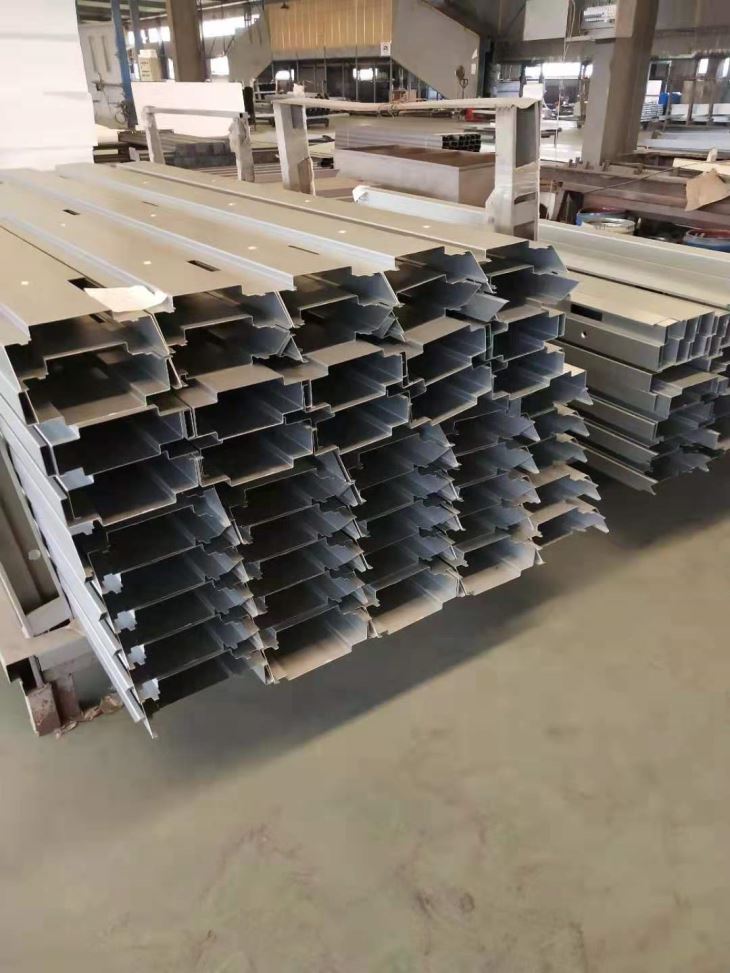
One of the most obvious factors is the amount of material required. Larger frames require more metal, which increases the material cost. Additionally, the thickness of the metal may also need to be increased to ensure the frame's structural integrity, further adding to the cost.

Manufacturing Complexity
Larger frames can be more challenging to manufacture, especially if they have complex shapes or require precise dimensions. This can increase the labor and equipment costs associated with production. For example, a large frame with a curved shape may require specialized machinery and skilled operators to ensure a high-quality finish.
Shipping and Handling
Shipping and handling costs are also a consideration when it comes to larger frames. Larger frames are heavier and take up more space, which can result in higher shipping costs. Additionally, they may require special packaging to prevent damage during transit, further adding to the overall cost.
Customization
If you require a custom-sized frame, the price will likely be higher than a standard-sized frame. Customization involves additional design and manufacturing steps, which can increase the cost. However, custom frames can offer a unique and tailored solution that meets your specific needs.
Examples of Price Variation
To illustrate how the price of a metal frame can vary with size, let's consider a few examples. Suppose you're in the market for a steel frame for a commercial door. A standard-sized Steel Fire Door with Frame for Commercial Use may cost around $200, while a larger frame for a double-door system could cost upwards of $500. The price difference is due to the increased material cost, manufacturing complexity, and shipping requirements.
Similarly, if you're looking for a decorative metal frame for a piece of artwork, a small frame measuring 8x10 inches may cost around $50, while a large frame measuring 36x48 inches could cost $200 or more. Again, the price difference is primarily due to the amount of material required and the manufacturing complexity.
Tips for Getting the Best Price
If you're looking to purchase a metal frame, here are some tips to help you get the best price:
Compare Quotes
Don't be afraid to shop around and compare quotes from different suppliers. This will give you a better idea of the market price and help you find the best deal. Make sure to provide each supplier with the same specifications to ensure an accurate comparison.
Consider Standard Sizes
If possible, choose a standard-sized frame rather than a custom-sized frame. Standard sizes are typically more readily available and can be produced more efficiently, resulting in a lower cost.
Order in Bulk
As mentioned earlier, ordering in bulk can help you take advantage of economies of scale and reduce the unit cost. If you have multiple projects or expect to need frames in the future, consider placing a larger order to save money.
Negotiate
Don't be afraid to negotiate with the supplier. Many suppliers are willing to offer discounts or incentives to secure your business, especially if you're placing a large order or have a long-term relationship.
Conclusion
In conclusion, the price of a metal frame varies with size due to a combination of factors, including material cost, manufacturing complexity, shipping and handling, and customization. By understanding these factors and following the tips outlined in this blog, you can make informed decisions when purchasing a metal frame and ensure that you get the best price for your needs.
If you're interested in learning more about our metal frame products or would like to discuss your specific requirements, please don't hesitate to contact us. We'd be happy to assist you with your purchase and provide you with a competitive quote.
References
- "Metal Frame Manufacturing: A Comprehensive Guide." Industry Insights Magazine, Vol. 10, No. 2, 2023.
- "The Economics of Metal Frame Production." Journal of Manufacturing Economics, Vol. 15, No. 3, 2022.
- "Factors Affecting the Price of Metal Frames." Metalworking Today, Vol. 8, No. 4, 2021.