

As a trusted supplier of Welded Frames, I understand the importance of providing not only high - quality products but also comprehensive information about their maintenance. In this blog, we will explore the key maintenance requirements for a welded frame to ensure its long - term durability and performance.
Understanding the Basics of a Welded Frame
A welded frame is constructed by joining metal parts together through the process of welding. This method creates a strong and rigid structure, making it suitable for a wide range of applications, from construction and machinery to furniture and automotive. Our Welded Frame products are designed with precision and high - quality materials, but proper maintenance is essential to keep them in optimal condition.
Inspection Requirements
Regular inspection is the cornerstone of welded frame maintenance. By conducting thorough inspections at appropriate intervals, you can identify potential issues before they escalate into major problems.
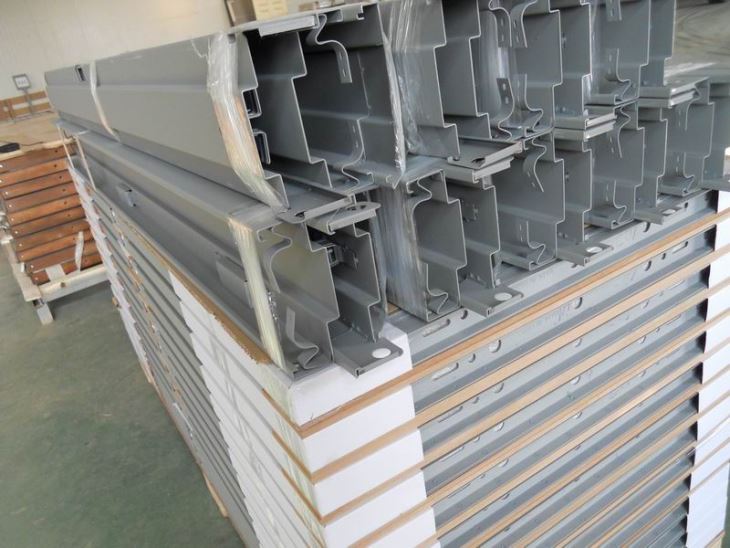

Visual Inspection
Visual inspection is the first line of defense in maintaining a welded frame. Start by looking for any signs of damage, such as cracks, corrosion, or deformation. Cracks can occur at the weld joints or along the frame members due to stress, fatigue, or improper installation. Use a magnifying glass or a bright light if necessary to detect small cracks. Corrosion is another common problem, especially in environments with high humidity or exposure to chemicals. Look for rust spots, flaking paint, or discoloration on the frame surface. Deformation can be caused by overloading, impact, or improper handling. Check for any bent or warped frame members.
Dimensional Inspection
In addition to visual inspection, it is also important to perform dimensional inspections. Use measuring tools such as calipers, micrometers, or rulers to check the critical dimensions of the frame. Compare the measured values with the design specifications to ensure that the frame is still within the acceptable tolerance range. Any significant deviation from the design dimensions may indicate structural problems or improper wear.
Cleaning Requirements
Proper cleaning is essential for preventing corrosion and maintaining the appearance of a welded frame. The cleaning process may vary depending on the type of material used and the environment in which the frame is located.
General Cleaning
For general cleaning, use a mild detergent and warm water to clean the frame surface. Avoid using abrasive cleaners or tools that can scratch the surface. Gently scrub the frame with a soft brush or cloth to remove dirt, dust, and debris. Rinse the frame thoroughly with clean water and dry it with a soft towel.
Cleaning in Harsh Environments
If the welded frame is located in a harsh environment, such as a chemical plant or a coastal area, more frequent and specialized cleaning may be required. In these cases, use a corrosion - resistant cleaner that is specifically designed for the type of metal used in the frame. Follow the manufacturer's instructions carefully when using these cleaners. After cleaning, apply a protective coating to the frame surface to prevent further corrosion.
Coating and Painting Requirements
Applying a coating or paint to a welded frame can provide an additional layer of protection against corrosion and wear.
Surface Preparation
Before applying a coating or paint, the frame surface must be properly prepared. This includes cleaning the surface to remove dirt, grease, and rust, and then sanding or grinding the surface to create a rough texture that will allow the coating or paint to adhere better. Use a wire brush or sandpaper to remove any loose rust or paint.
Coating Selection
The type of coating or paint selected depends on the application and the environment in which the frame will be used. For outdoor applications, a weather - resistant coating or paint is recommended. For applications in corrosive environments, a corrosion - resistant coating such as epoxy or zinc - rich paint may be required. Consult with a coating specialist to determine the most suitable coating for your specific needs.
Application Process
Follow the manufacturer's instructions carefully when applying the coating or paint. Use the appropriate tools, such as a brush, roller, or spray gun, to ensure an even and consistent application. Apply multiple thin coats rather than one thick coat to achieve better adhesion and coverage. Allow each coat to dry completely before applying the next one.
Lubrication Requirements
If the welded frame has moving parts, such as hinges or joints, proper lubrication is essential to ensure smooth operation and prevent wear.
Lubricant Selection
Select a lubricant that is suitable for the type of metal and the operating conditions of the frame. For general applications, a multi - purpose grease or oil can be used. For high - temperature or high - load applications, a specialized lubricant may be required.
Lubrication Frequency
The frequency of lubrication depends on the usage and the operating conditions of the frame. In general, moving parts should be lubricated at regular intervals, such as once a month or once a quarter. However, in high - usage or harsh environments, more frequent lubrication may be necessary.
Structural Integrity Maintenance
Maintaining the structural integrity of a welded frame is crucial for its long - term performance.
Load Management
Ensure that the welded frame is not overloaded. Overloading can cause excessive stress on the frame members and weld joints, leading to cracks, deformation, or even failure. Refer to the design specifications to determine the maximum load capacity of the frame and avoid exceeding this limit.
Foundation and Support
The foundation and support of the welded frame must be stable and secure. Check the foundation regularly for signs of settlement, cracking, or damage. If any issues are detected, take appropriate measures to repair or reinforce the foundation. Ensure that the frame is properly supported and leveled to prevent uneven stress distribution.
Comparison with Other Frame Types
It is also useful to compare the maintenance requirements of a welded frame with other common frame types, such as Steel Frame and Knock Down Frame.
Steel frames are similar to welded frames in many ways, but they may have different welding techniques and material compositions. Generally, the maintenance requirements for steel frames are similar to those of welded frames, including inspection, cleaning, coating, and lubrication. However, the specific requirements may vary depending on the type of steel used and the manufacturing process.
Knock - down frames are designed to be easily assembled and disassembled. They typically use bolts or other fasteners instead of welding. While knock - down frames may be easier to install and modify, they may require more frequent inspection of the fasteners to ensure that they are tightened properly. Additionally, the connections between the frame members may be more prone to corrosion and wear, so regular cleaning and lubrication are also important.
Conclusion
Proper maintenance of a welded frame is essential for ensuring its long - term durability, performance, and safety. By following the inspection, cleaning, coating, lubrication, and structural integrity maintenance requirements outlined in this blog, you can extend the lifespan of your welded frame and avoid costly repairs or replacements.
If you are interested in purchasing high - quality welded frames or have any questions about their maintenance, please feel free to contact us for a detailed discussion. We are committed to providing our customers with the best products and services.
References
- Various industry standards and guidelines for metal frame maintenance.
- Manufacturer's manuals and documentation for welded frames.