

Hey there! As a metal door supplier, I've dealt with all sorts of questions about metal doors, and one that comes up a lot is, "What is the best way to seal a metal door?" Well, I'm here to share some tips and insights based on my experience in the industry.
First off, let's talk about why sealing a metal door is so important. A well - sealed metal door can do wonders for your home or business. It helps with energy efficiency by keeping the hot or cold air inside, depending on the season. This means lower energy bills for you. It also enhances security, as a good seal can prevent intruders from easily prying the door open. And let's not forget about noise reduction. A properly sealed door can block out a significant amount of outside noise, creating a more peaceful environment.
Now, let's get into the different ways to seal a metal door.
Weatherstripping
Weatherstripping is one of the most common and effective ways to seal a metal door. It comes in various types, like adhesive foam tape, V - strip, and door sweep.

Adhesive foam tape is super easy to install. You just peel off the backing and stick it to the edges of the door or the door frame. It's great for filling small gaps and preventing air and water from seeping in. I've seen this work really well in residential settings. For example, if you have a drafty metal door in your living room, a simple strip of adhesive foam tape can make a big difference. You can find these tapes at most hardware stores, and they're usually pretty affordable.
V - strip is another option. It's made of a flexible material and is shaped like a V. You can install it along the sides and top of the door frame. The V - shape allows it to compress when the door is closed, creating a tight seal. This type of weatherstripping is more durable than some of the foam tapes and can withstand more wear and tear. It's a good choice for high - traffic areas or doors that are opened and closed frequently.
Door sweeps are used at the bottom of the door. They can be made of rubber, vinyl, or bristles. Rubber door sweeps are great for keeping out water, while bristle door sweeps are better at blocking dust and insects. Installing a door sweep is usually a straightforward process. You just attach it to the bottom of the door using screws or adhesive.
Door Gaskets
Door gaskets are a bit more heavy - duty than weatherstripping. They're often used in commercial settings or for doors that need a higher level of sealing, like Residential Fire Rated Doors. Gaskets are typically made of rubber or silicone and are designed to fit around the entire perimeter of the door.
There are different types of door gaskets, such as bulb gaskets and compression gaskets. Bulb gaskets have a rounded shape and provide a good seal by compressing when the door is closed. Compression gaskets, on the other hand, are designed to be squeezed tightly between the door and the frame to create an airtight and watertight seal.
Installing door gaskets may require a bit more skill and tools than weatherstripping. You might need to use a utility knife to cut the gasket to the right length and a screwdriver to attach it to the door or frame. But the extra effort is worth it, especially if you're looking for a long - lasting and high - performance seal.
Sealants
Sealants can also be used to seal a metal door. Silicone and polyurethane sealants are popular choices. You can use them to fill larger gaps or cracks around the door frame.
Silicone sealants are flexible and waterproof. They're great for sealing areas where there might be some movement, like around the edges of the door frame. Polyurethane sealants, on the other hand, are more rigid and provide a strong bond. They're often used for sealing joints and gaps that need to be more permanent.
When using sealants, make sure to clean the area first to remove any dirt or debris. Then, apply the sealant evenly using a caulking gun. Smooth it out with a putty knife or your finger for a neat finish. Keep in mind that sealants take some time to dry and cure, so be patient and don't open the door until the sealant is fully dry.
Fire - Resistant Sealing
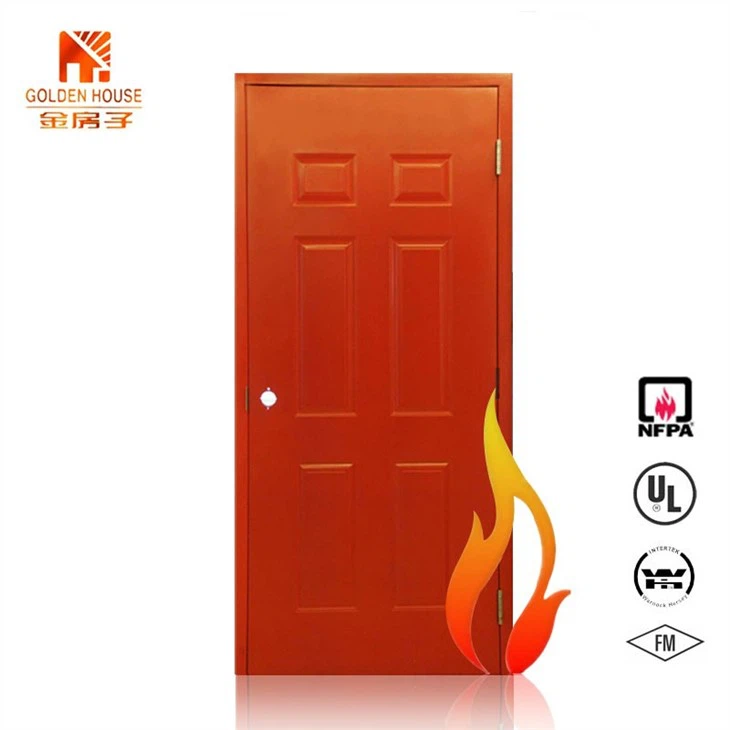
If you're dealing with fire - rated metal doors, like Ul Fm Fire Fighting Exit Door or 180 Minutes Whi Listed Steel Fire Door, fire - resistant sealing is crucial. These doors are designed to prevent the spread of fire and smoke, and a proper seal is essential for them to work effectively.
Fire - resistant gaskets and intumescent strips are commonly used for this purpose. Intumescent strips are made of a special material that expands when exposed to heat. This expansion fills the gaps around the door, preventing fire and smoke from passing through. They're usually installed around the perimeter of the door frame.
Gaskets for fire - rated doors are also made of fire - resistant materials. They need to meet specific standards to ensure that they can withstand high temperatures and maintain their seal during a fire. When installing fire - resistant seals, it's important to follow the manufacturer's instructions carefully to ensure that the door remains compliant with fire safety regulations.
Considerations for Different Environments
The best way to seal a metal door can also depend on the environment where the door is located.
If the door is in a coastal area, where there's a lot of saltwater in the air, you need to choose sealing materials that are resistant to corrosion. Stainless steel weatherstripping or gaskets made of corrosion - resistant rubber can be good options.
In a dusty or industrial environment, you'll want to focus on sealing out dust and debris. A door sweep with bristles or a compression gasket can help keep the area inside the building clean.
For doors in a cold climate, proper insulation is key. Using a combination of weatherstripping and a high - R - value insulation around the door can help keep the heat inside.
Maintenance
Once you've sealed your metal door, it's important to maintain the seal. Regularly check the weatherstripping, gaskets, and sealants for any signs of wear or damage. If you notice a tear in the weatherstripping or a crack in the sealant, replace or repair it as soon as possible.
Clean the sealing materials regularly to remove dirt and debris. For example, you can use a mild soap and water solution to clean rubber gaskets. This will help them last longer and maintain their effectiveness.
Conclusion
So, there you have it! The best way to seal a metal door depends on your specific needs, the type of door, and the environment. Whether you're looking for energy efficiency, security, noise reduction, or fire protection, there's a sealing solution out there for you.
If you're in the market for a metal door or need more advice on sealing your existing door, don't hesitate to reach out. We're here to help you find the perfect solution for your home or business. Let's start a conversation about your metal door needs and see how we can work together to get the best results.
References
- Hardware stores' product guides
- Manufacturer's instructions for metal doors and sealing materials
- Building codes and regulations related to door sealing