

As a dedicated supplier of sliding doors, I've witnessed firsthand the importance of a well - sealed sliding door. A properly sealed sliding door not only enhances the aesthetic appeal of a space but also provides numerous functional benefits. In this blog, I'll share some of the best ways to seal a sliding door.
Understanding the Need for Sealing
Before delving into the sealing methods, it's crucial to understand why sealing a sliding door is so important. First and foremost, a good seal helps in energy efficiency. By preventing air leakage, it keeps the indoor temperature stable, reducing the workload on heating and cooling systems and ultimately saving on energy costs. Additionally, a sealed sliding door offers better noise insulation, creating a quieter and more peaceful indoor environment. It also protects against dust, dirt, and moisture, which can damage the door and the surrounding area over time.

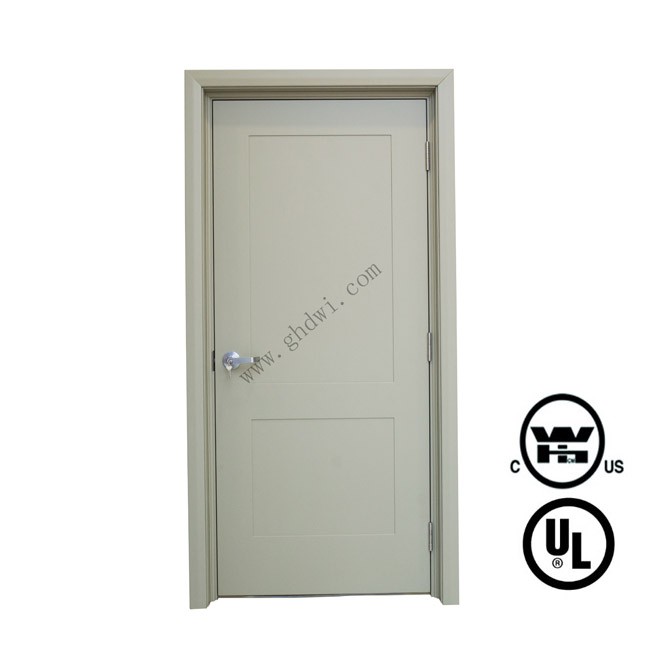
Weatherstripping: The Foundation of Sealing
Weatherstripping is one of the most common and effective ways to seal a sliding door. It acts as a barrier between the door and the frame, filling in the gaps and preventing air and water from seeping through. There are several types of weatherstripping available, each with its own advantages.
Vinyl Weatherstripping
Vinyl weatherstripping is a popular choice due to its affordability and durability. It comes in various shapes and sizes, making it suitable for different types of sliding doors. This type of weatherstripping is easy to install and can be cut to fit the specific dimensions of your door. It provides a good seal against air and water, and its flexibility allows it to conform to the door's movement. For example, if you have a Solid Wood Door, vinyl weatherstripping can be an excellent option to keep it well - sealed.
Foam Weatherstripping
Foam weatherstripping is another cost - effective option. It is soft and compressible, which means it can create a tight seal even in irregularly shaped gaps. Foam weatherstripping is often used for interior sliding doors where a high level of weather resistance is not required. However, it may not be as durable as vinyl in outdoor applications.
Brush Weatherstripping
Brush weatherstripping consists of a series of bristles that create a barrier against air and dust. It is particularly useful for sliding doors that are frequently opened and closed, as the bristles can withstand repeated contact without losing their effectiveness. Brush weatherstripping is also good at preventing insects from entering through the gaps.
Threshold Seals
The threshold is the bottom part of the door frame, and it is a common area for air and water leakage. A threshold seal can help to address this issue. There are two main types of threshold seals: compression seals and brush seals.
Compression Threshold Seals
Compression threshold seals are designed to be compressed when the door is closed, creating a tight seal. They are usually made of rubber or silicone and are very effective at preventing water from entering the building. Compression seals are a great choice for sliding doors in areas prone to heavy rain or flooding.
Brush Threshold Seals
Brush threshold seals work in a similar way to brush weatherstripping. The bristles help to block air and dirt from entering through the bottom of the door. They are easy to install and can be a good option for both interior and exterior sliding doors.
Door Sweeps
A door sweep is a strip that is attached to the bottom of the door. It helps to seal the gap between the door and the floor, preventing air, dust, and insects from getting in. Door sweeps come in different materials, such as rubber, vinyl, and felt.
Rubber Door Sweeps
Rubber door sweeps are very durable and can provide a good seal against water and air. They are suitable for both interior and exterior sliding doors. Rubber door sweeps are also resistant to wear and tear, making them a long - lasting option.
Felt Door Sweeps
Felt door sweeps are softer and more flexible than rubber sweeps. They are often used for interior sliding doors where a quiet operation is desired. Felt door sweeps can also help to reduce noise when the door is opened and closed.
Sealing the Sides and Top
In addition to the bottom, the sides and top of the sliding door also need to be sealed. Weatherstripping can be used on the sides and top to prevent air and water leakage. For example, you can use a vinyl or foam weatherstripping along the sides and top of the door frame. Some sliding doors also come with built - in seals on the sides and top, but these may need to be replaced over time.
Professional Installation vs. DIY
While many of the sealing methods mentioned above can be installed as a DIY project, there are some advantages to having a professional install the seals. A professional installer has the experience and tools to ensure that the seals are installed correctly, providing the best possible seal. They can also identify any potential issues with the door or frame that may affect the sealing performance.
However, if you have some basic DIY skills and are on a budget, you can certainly attempt to seal your sliding door yourself. Just make sure to follow the installation instructions carefully and use high - quality materials.
Maintaining the Seals
Once you have sealed your sliding door, it's important to maintain the seals to ensure their long - term effectiveness. Regularly inspect the seals for any signs of damage, such as cracks, tears, or wear. If you notice any issues, replace the damaged seals as soon as possible. Clean the seals regularly to remove dirt and debris, which can affect their performance.
Conclusion
Sealing a sliding door is an important step in improving its energy efficiency, noise insulation, and overall performance. By using the right combination of weatherstripping, threshold seals, door sweeps, and other sealing methods, you can create a tight seal that will last for years. Whether you choose to install the seals yourself or hire a professional, make sure to use high - quality materials for the best results.
If you're in the market for a new sliding door or need to replace the seals on your existing door, I encourage you to contact us for more information and to discuss your specific needs. We offer a wide range of sliding doors, including Black Walnut Veneer Interior Wooden Door with Mineral Fireboard Core and Ul Wooden Fire Rated Door 2 Panel Us Standard. Our team of experts is ready to assist you in finding the perfect solution for your home or business.
References
- "Doors and Windows: Energy Efficiency and Comfort." Building Science Corporation.
- "Weatherstripping Guide." Family Handyman Magazine.
- "Sliding Door Installation and Maintenance Manual." Industry standard publication.