

Flexural strength is a critical mechanical property that significantly influences the performance and durability of laminated doors. As a leading supplier of laminated doors, we understand the importance of this characteristic and its implications for our products. In this blog, we will delve into the concept of flexural strength, its significance in the context of laminated doors, and how it affects the overall quality and functionality of our offerings.
Understanding Flexural Strength
Flexural strength, also known as bending strength, refers to the maximum stress a material can withstand when subjected to bending forces before it fails. In the case of laminated doors, flexural strength determines the door's ability to resist deformation and breakage when pressure is applied perpendicular to its surface. This is particularly important in real - world scenarios where doors may be pushed, pulled, or accidentally bumped into on a regular basis.
The flexural strength of a laminated door is influenced by several factors, including the materials used in its construction, the manufacturing process, and the overall design. For instance, the type of wood core, the quality of the laminates, and the bonding agents all play crucial roles in determining how well the door will hold up under bending stress.
Materials and Their Impact on Flexural Strength
Wood Core
The wood core is the backbone of a laminated door. Different types of wood have varying levels of inherent strength and stiffness. Hardwoods such as oak, mahogany, and maple are generally stronger and more resistant to bending compared to softwoods like pine or cedar. At our company, we carefully select high - quality hardwoods for our door cores to ensure optimal flexural strength. These hardwoods not only provide excellent structural integrity but also enhance the overall aesthetic appeal of the doors.
Laminates
Laminates are applied to the surface of the wood core to protect it from wear, moisture, and other environmental factors. High - pressure laminates (HPL) are commonly used in the production of laminated doors due to their durability and resistance to scratches and stains. The thickness and quality of the laminates can also impact the flexural strength of the door. Thicker laminates tend to provide more support and reinforcement, increasing the door's ability to withstand bending forces.
Bonding Agents
The bonding agents used to attach the laminates to the wood core are equally important. A strong and reliable adhesive ensures that the laminates remain firmly attached to the core, preventing delamination and maintaining the door's structural integrity. We use advanced bonding technologies and high - quality adhesives in our manufacturing process to ensure a secure bond between the layers, which in turn enhances the flexural strength of the doors.
Manufacturing Process and Flexural Strength
The manufacturing process of laminated doors is a complex and precise operation that can significantly affect the final product's flexural strength. At our facility, we follow strict quality control measures at every stage of production to ensure that our doors meet the highest standards of strength and durability.
Pressing
During the pressing process, the wood core and the laminates are bonded together under high pressure and temperature. This process ensures a tight and uniform bond between the layers, which is essential for maximizing the flexural strength of the door. The pressure and temperature settings are carefully calibrated to achieve the optimal bond without damaging the materials.
Finishing
The finishing process also plays a role in enhancing the flexural strength of the door. Sanding the edges and surfaces of the door smooths out any rough spots and ensures a consistent thickness, which helps to distribute the bending forces evenly across the door. Additionally, applying a protective finish further enhances the door's resistance to moisture and other environmental factors, which can weaken the materials over time.
Design Considerations for Flexural Strength
The design of a laminated door can have a significant impact on its flexural strength. Factors such as the door's size, shape, and panel configuration all need to be taken into account.
Door Size
Larger doors are generally more susceptible to bending due to their increased surface area and weight. To compensate for this, we offer reinforced designs for larger doors, such as adding additional support beams or using thicker materials. This helps to maintain the door's flexural strength and prevent sagging or warping.
Panel Configuration
The number and arrangement of panels on a door can also affect its flexural strength. Doors with multiple panels or complex panel designs may require additional reinforcement to ensure they can withstand bending forces. Our design team carefully analyzes the panel configuration of each door to determine the most appropriate reinforcement strategies.
Testing Flexural Strength
To ensure that our laminated doors meet the required standards of flexural strength, we conduct rigorous testing procedures. These tests simulate real - world conditions and apply controlled bending forces to the doors to measure their performance. We adhere to industry standards and guidelines, such as those set by the American National Standards Institute (ANSI) and the International Building Code (IBC), to ensure the accuracy and reliability of our test results.

Importance of Flexural Strength in Different Applications
Residential Use
In residential settings, laminated doors are commonly used for interior and exterior applications. Interior doors need to withstand the normal wear and tear of daily use, such as being opened and closed multiple times a day, and may also be subject to accidental impacts. Exterior doors, on the other hand, need to be able to withstand not only normal use but also harsh weather conditions, including wind, rain, and temperature fluctuations. A door with high flexural strength will remain in good condition for longer, reducing the need for frequent replacements.
Commercial Use
In commercial buildings, laminated doors are often subjected to more demanding conditions. High - traffic areas, such as offices, hotels, and hospitals, require doors that can withstand heavy use and abuse. Doors in commercial kitchens or industrial settings may also be exposed to chemicals, steam, and high - humidity environments. Our doors with high flexural strength are designed to meet these challenging requirements, providing long - lasting performance and reliability.
Our Product Range and Flexural Strength
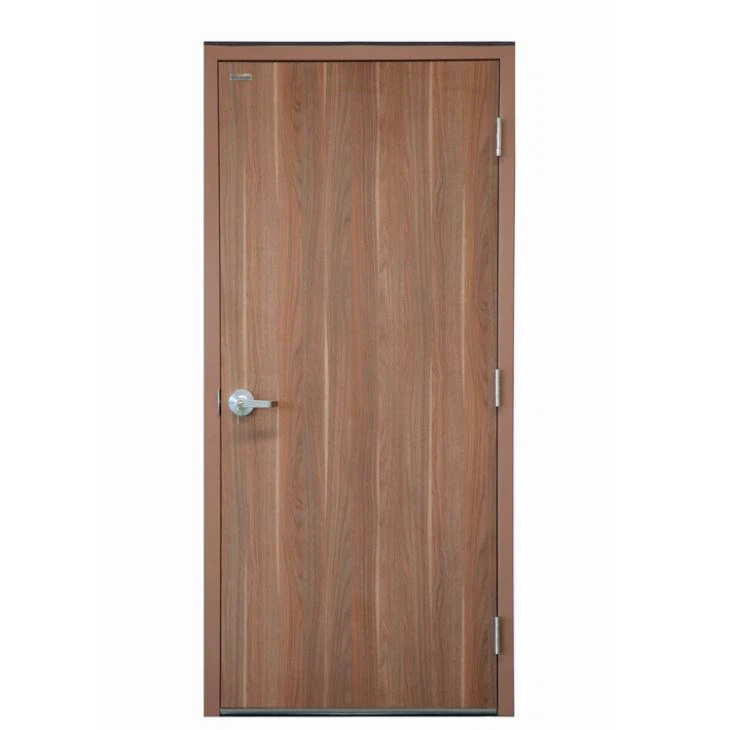
We offer a wide range of laminated doors, each designed to meet specific customer needs and applications. Our Manufacture Wooden Fire Rated Doors for Sale are not only fire - resistant but also have excellent flexural strength. These doors are ideal for commercial and residential buildings where fire safety is a concern.
Our 90 Mins Fire Wooden Door Design Laminate Door with Ul Listed meets strict fire - rating standards while maintaining high levels of structural integrity. The combination of fire - resistant materials and proper manufacturing techniques ensures that these doors can withstand both fire and bending forces.
For those looking for a more decorative option, our 2 - panel Arch Mahogany Fire Rated Door Wood 20 Min with Wh Label offers both aesthetic appeal and excellent flexural strength. The mahogany wood core provides a strong foundation, and the 2 - panel arch design adds a touch of elegance to any space.
Conclusion and Call to Action
In conclusion, flexural strength is a vital characteristic of laminated doors that directly impacts their performance, durability, and overall quality. As a leading supplier of laminated doors, we are committed to producing doors with the highest levels of flexural strength. Our careful selection of materials, advanced manufacturing processes, and strict quality control measures ensure that our doors can withstand the rigors of daily use in both residential and commercial settings.
If you are in the market for high - quality laminated doors with excellent flexural strength, we invite you to contact us for a consultation. Our team of experts is ready to assist you in selecting the right doors for your specific needs and applications. Whether you are a builder, an architect, or a homeowner, we can provide you with the best solutions for your door requirements.
References
- American National Standards Institute (ANSI). Building and Construction Standards.
- International Building Code (IBC). Structural and Safety Requirements for Building Components.
- Wood Handbook: Wood as an Engineering Material. Forest Products Laboratory.