

As a seasoned metal frame supplier, I've spent years delving into the intricate properties of metal frames, and one question that often arises is: What is the reflectivity of a metal frame? Reflectivity is a crucial characteristic that not only affects the aesthetic appeal of metal frames but also has practical implications in various applications. In this blog, we'll explore the concept of reflectivity, its influencing factors, and its significance in the context of metal frames.
Understanding Reflectivity
Reflectivity, in simple terms, refers to the ability of a surface to reflect light. It is typically expressed as a percentage, representing the proportion of incident light that is reflected. A highly reflective surface will bounce back a large portion of the light that hits it, while a low - reflective surface will absorb more light.
For metal frames, reflectivity plays a vital role in determining their appearance. A shiny, reflective metal frame can add a modern and sleek look to a building or a product, while a less reflective frame may offer a more subdued and matte finish.
Factors Affecting the Reflectivity of Metal Frames
Metal Type
Different metals have different inherent reflectivities. For example, aluminum is known for its relatively high reflectivity. It has a natural oxide layer on its surface that can enhance its ability to reflect light. Aluminum frames often have a bright, metallic sheen that makes them suitable for applications where a high - visibility appearance is desired.
On the other hand, steel frames can have a range of reflectivities depending on their composition and surface treatment. Stainless steel, which contains chromium, has a good level of reflectivity due to the formation of a passive oxide layer on its surface. This layer not only protects the steel from corrosion but also gives it a shiny appearance. Carbon steel, without proper treatment, may have a lower reflectivity and can be more prone to rusting, which further reduces its reflective properties.
Surface Finish
The surface finish of a metal frame has a significant impact on its reflectivity. A polished surface will generally be more reflective than a rough or textured surface. Polishing involves smoothing the metal surface to remove any irregularities, allowing light to reflect more uniformly. This results in a mirror - like finish that can be very visually appealing.

Anodizing is another surface treatment commonly used for aluminum frames. Anodizing creates a porous oxide layer on the surface of the aluminum, which can be dyed to achieve different colors. While anodizing can reduce the reflectivity compared to a highly polished aluminum surface, it still offers a certain level of sheen and can enhance the durability of the frame.
Powder coating is often applied to steel frames. This process involves applying a dry powder to the metal surface and then baking it to form a hard, protective layer. The powder - coated finish can have a range of appearances, from high - gloss to matte. High - gloss powder coatings can provide a relatively high reflectivity, while matte coatings are designed to absorb more light and have a lower reflectivity.
Environmental Factors
The environment in which the metal frame is placed can also affect its reflectivity over time. Exposure to moisture, chemicals, and pollutants can cause the metal surface to oxidize or corrode. Oxidation and corrosion can roughen the surface of the metal, reducing its ability to reflect light evenly. For example, if a metal frame is installed in a coastal area where there is a high salt content in the air, it may be more prone to corrosion, which will gradually dull its reflective appearance.
Significance of Reflectivity in Metal Frame Applications
Architectural Applications
In architecture, the reflectivity of metal frames can be used to create different visual effects. For instance, in modern buildings, highly reflective metal frames can be used to reflect the surrounding environment, such as the sky, nearby buildings, or landscapes. This can give the building a dynamic and ever - changing appearance.
Fire Door with Steel Frame is an example of an architectural application where metal frames are used. The reflectivity of the steel frame can be carefully chosen to match the overall design aesthetic of the building. A high - reflectivity frame can add a touch of elegance, while a low - reflectivity frame may blend in more subtly with the surroundings.
Commercial Applications
In commercial settings, the reflectivity of metal frames can influence the perception of a brand or a product. Steel Fire Door with Frame for Commercial Use often need to convey a sense of reliability and professionalism. A well - finished, reflective steel frame can enhance the overall look of the fire door, making it more appealing to customers.
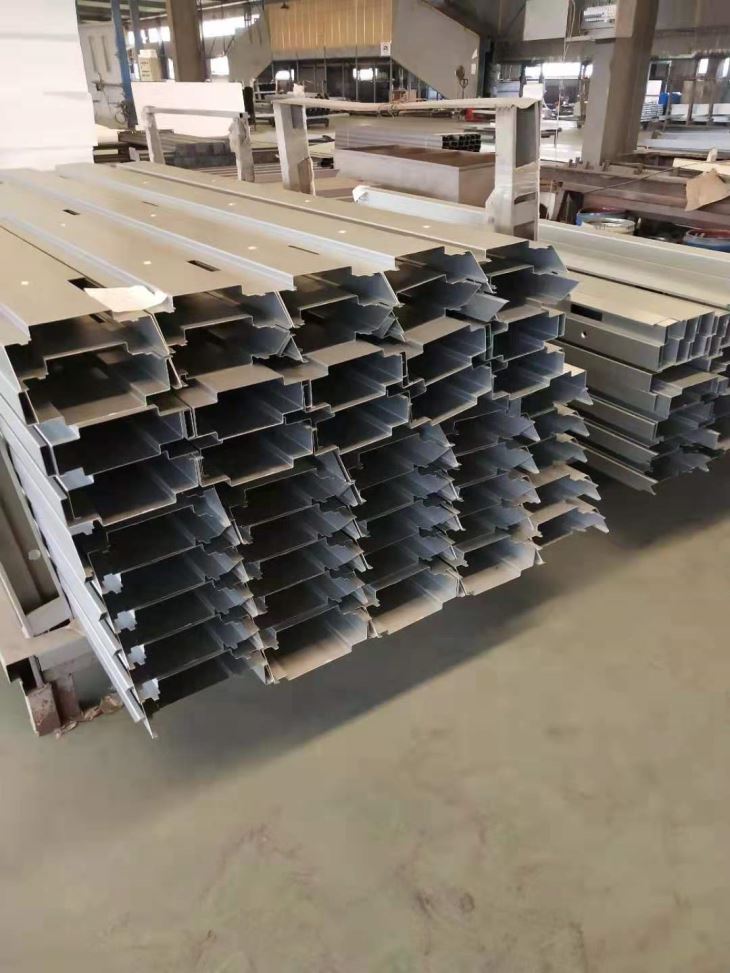
Interior Design
In interior design, metal frames are used in furniture, partitions, and decorative elements. The reflectivity of these frames can contribute to the overall ambiance of a space. A highly reflective metal frame can add a sense of spaciousness and light to a room by reflecting light around the space. For example, metal picture frames with a high - gloss finish can draw attention to the artwork they hold and make the room feel more open.
Reflectivity and Energy Efficiency
Reflectivity also has implications for energy efficiency. In buildings, highly reflective metal frames can reflect sunlight away from the interior, reducing the amount of solar heat gain. This can help to lower the cooling load in the summer, leading to energy savings. On the other hand, in colder climates, a lower - reflectivity frame may be preferred as it can absorb more sunlight and contribute to passive solar heating.
Transferred Wood Grain and Reflectivity
Transferred Wood Grain is a technique used to give metal frames the appearance of wood. This process can affect the reflectivity of the metal frame. Transferred wood grain finishes can range from high - gloss to matte, depending on the desired look. A high - gloss wood grain finish will have a relatively high reflectivity, similar to a polished metal surface, while a matte wood grain finish will absorb more light and have a lower reflectivity.
Conclusion
The reflectivity of a metal frame is a complex characteristic that is influenced by factors such as metal type, surface finish, and environmental conditions. Understanding the concept of reflectivity and its implications can help in choosing the right metal frame for different applications. Whether you're an architect, a commercial property owner, or an interior designer, the reflectivity of metal frames can play a crucial role in achieving the desired aesthetic and functional goals.
If you're interested in exploring our range of metal frames and discussing how reflectivity can meet your specific needs, we invite you to contact us for a procurement discussion. Our team of experts is ready to assist you in finding the perfect metal frame solution for your project.

References
- "Materials Science and Engineering: An Introduction" by William D. Callister Jr. and David G. Rethwisch
- "Architectural Metals: A Guide to Specification" by Charles H. Harris and Charles M. Pettit
- Industry reports on metal frame manufacturing and applications.